
دستهبندی نشده
What Exactly Counts as Discount Ammo and Where Does the Savings Come From?
Shop Discount Ammo Now and Save Big on Bulk Rounds
Discount ammo refers to factory-new or surplus ammunition sold at reduced prices, often due to bulk packaging, simpler branding, or overstock from manufacturers. It functions identically to standard rounds, with the discount stemming from cost-saving measures rather than compromised performance. Buyers benefit from lower per-round costs, making it ideal for high-volume practice, range sessions, or zeroing optics. To use it effectively, check the caliber and lot numbers, then store it in a dry, cool place to maintain reliability.
What Exactly Counts as Discount Ammo and Where Does the Savings Come From?
Discount ammo isn’t a single category but a catch-all for rounds priced below the typical going rate for that caliber and brand. The savings usually come from three practical places: bulk-packed “value” boxes (often 50 or 100 rounds loose in a cardboard tray instead of individual plastic holders), older production runs that retailers want to clear out, and factory seconds or “blems”—rounds with cosmetic imperfections in the casing or primer seal that don’t affect function. You’ll also find genuine savings in remanufactured ammunition, where companies pull fired brass, inspect it, reload it with fresh powder and bullets, and sell it at 20–40% less than new. The catch is that these rounds often have less consistent velocity or accuracy than premium loads, so they’re best for range practice, not defensive carry. Just because a price tag says “discount” doesn’t mean the round is unsafe—but it does mean you should test a small batch for feeding and grouping before buying a case. Ultimately, the savings come from cutting packaging, skipping quality-control steps on cosmetics, and reusing materials, not from skimping on the actual powder or primer.
Factory Seconds, Overruns, and Bulk Packs: Breaking Down the Real Pricing Tiers
Factory seconds hit the lowest price tier because cosmetic blemishes—scuffed cases or dented primers—don’t affect ballistics, making them ideal for high-volume range drills. Overruns, produced during contract overproduction for law enforcement or military, offer near-identical quality to retail boxes but at a stripped-down cost, since manufacturers avoid re-branding expenses. Bulk packs, typically 500–1,000 rounds in plain cardboard trays, slash per-round pricing by minimizing packaging and handling; the savings compound when you buy a case instead of individual boxes. Each tier requires a quick visual check for split necks or corroded rims, but real discount ammo pricing tiers reward shooters who prioritize function over presentation.
Factory seconds trade looks for low cost, overruns leverage surplus production, and bulk packs cut packaging—together, they define the genuine savings ladder for discount ammo.
Why Prices Drop on Certain Calibers and Grain Weights
Prices drop on certain calibers and grain weights because of production overruns and batch standardization. When manufacturers load a massive run of a popular grain weight for a military or law-enforcement contract, they often produce extra identical rounds on the same line. These surplus lots get sold to discount vendors at a lower per-unit cost, and you see that as a price cut. Similarly, a specific grain weight (e.g., 115gr vs 124gr 9mm) may drop when a factory switches tooling; the last batches before a caliber change are clearance-priced to free up hoppers and packaging lines. Slow-moving calibers (like .40 S&W or .327 Fed Mag) see price erosion when retailers need to rotate shelf stock to make room for faster-selling loads, so they discount the older grain weights first.
- Contract overruns of one grain weight create temporary price dips.
- Tooling changeovers force clearance pricing on the outgoing grain.
- Retail shelf-space pressure drops prices on low-turnover 9.3x72R Ammo for Sale calibers.
How to Spot a Genuine Price Cut vs. a Gimmick “Sale”
A genuine price cut on ammo shows up 9×18 Makarov Ammo for Sale in the per-round math, not the tag. Spotting a real discount ammo deal means comparing the final cost per box against your usual store’s everyday price, including shipping and tax. A gimmick “sale” often hides the real cost behind “free” shipping or a bulk rebate that requires a mail-in form. Check the price history—if the “sale” price matches last month’s normal rate, it’s fluff. Also, watch for inflated MSRP references; a true cut drops below the market average, not just below a made-up number.
- Calculate cost per round after shipping and tax, not the shelf sticker.
- Compare the “sale” price to what you paid 30–60 days ago.
- Beware of rebates that add hassle; instant checkout discounts are more reliable.
- Skip “was” prices unless they match a known baseline from reputable retailers.
How to Evaluate Cheap Rounds Without Sacrificing Reliability
When you’re buying discount ammo, start by checking the headstamp and lot number, then pull a few bullets to inspect powder charge consistency—cheap rounds often fail from variance, not poor components. Fire a sample of fifty through your actual gun, tracking failures-to-feed, hard primers, and keyholing; if five or more malfunction, stop and move on. Q: Can budget brass really match premium? A: Yes, if the primer pockets stay .50 Cal Ammo for Sale tight and the case rims don’t gouge—quickly re-size a fired case to see if it chambers smoothly. Trust your gun’s ejection pattern over brand hype. Stick to one lot for defensive loads, but for range practice, chronograph speeds—wild swings mean unreliable burn, so drop those rounds even if they’re cheap.
The Reliability Baseline: What Misfire and Failure Rates Are Acceptable
For discount ammunition, the reliability baseline for defensive or carry use must be zero tolerance: any misfire or failure to feed is unacceptable, as a single malfunction can be lethal. For practice and training, however, an acceptable misfire rate is roughly one to two failures per 1,000 rounds (0.1–0.2%). Failure-to-eject or failure-to-feed rates above 0.5% indicate poor primer seating, weak powder charges, or inconsistent case dimensions—signs to stop using that lot. A misfire rate exceeding 0.3% (three per 1,000) makes the savings not worth the interruption. specialty sports and supply Always test at least 200 rounds per new box before trusting any batch beyond the range.
Signs of Poor Seating, Corrosion, or Weak Primer Strikes Before You Load
Before you load that budget box, give each round a quick once-over. Weak primer strikes on discount ammo often show up as a shallow, off-center dimple, so check the casing base for inconsistent hits. Corrosion looks like green or white crust, especially near the primer pocket—toss any round with that fuzz. Poor seating means the bullet sits crooked or too deep; roll it on a flat surface, and if it wobbles, skip it. That one wobbly round might cycle fine in a loose chamber but jam tight ones. Finally, run this sequence:
- Inspect the primer for a uniform, round indentation.
- Scrape any suspect corrosion with a fingernail—if it flakes, it’s dead.
- Check bullet-to-case junction for gaps or tilt.
Cheap ammo rewards a ten-second visual habit, not blind trust.
Testing Protocols: The First 50 Rounds That Tell You Everything
When you’re testing discount ammo, the first 50 rounds are your honest truth-teller. Start by loading five mags and firing at a steady pace, watching for **early pressure signs** like stuck cases or primer flattening. By round ten, check your grouping—if it’s scattering beyond two inches at 15 yards, that’s a red flag, not a fluke. Alternate between slow aimed shots and rapid strings to mimic real use, since cheap powder burns inconsistently under stress. Pay attention to slide speed and ejection pattern by round 25; weak tosses mean underpowered loads. Finish with a fouling check on the bolt face—excessive carbon or unburnt flakes signal dirty combustion you’ll fight all day.
Matching Budget-Friendly Rounds to Your Firearm Type
When you grab a box of discount ammo, the real trick is matching the round to what your gun actually *wants* to eat, not just what’s cheapest on the shelf. A 9mm pistol built for defensive loads will choke on stubby steel-cased range fodder, so look for budget-friendly rounds with a rounded profile and proper crimp—your feed ramp will thank you on that dusty backwoods range. For a bolt-action rifle, prioritize soft-point or boat-tail bullets at a discount, because a tight chamber hates inconsistent OAL, even if the price tag feels great. It’s the quiet mismatch—like a light-for-caliber bullet in a fast-twist barrel—that turns a bargain into a jam-packed afternoon. Always buy discount ammo that matches your barrel’s twist rate and pressure rating, or you’ll save five bucks and lose a weekend of trigger time. Stick to the same bullet weight as your manual’s favorite, and the savings feel like a win, not a gamble.
Steel-Cased vs. Brass-Cased: Which Savings Actually Cost You at the Range
Steel-cased ammo’s upfront discount is the bait, but your firearm’s longevity is the hook. The lacquered or polymer coating on steel cases can heat up and transfer residue into your chamber, leading to sticky extraction in tight-tolerance barrels. Brass, by contrast, expands and seals better, keeping your action cleaner and cycles more reliably in pistols and rifles alike. That steel savings often vanish when you factor in stuck cases, extra scrubbing, and accelerated extractor wear. For budget-conscious shooters burning through high round counts, steel is fine for AKs and Glocks, but brass wins for precision builds or competition guns.
- Steel’s coating can melt into hot chambers, causing failure-to-eject malfunctions.
- Brass reloads cleanly, offsetting its higher per-box cost over multiple uses.
- Steel cases are non-reloadable and can void warranties on some premium firearms.
- For 7mm Rem Mag Ammo for Sale plinking sessions under 200 rounds, steel’s savings usually outweigh its fouling downside.
Best Budget Loads for Semi-Auto Pistols vs. Revolvers vs. Rifles
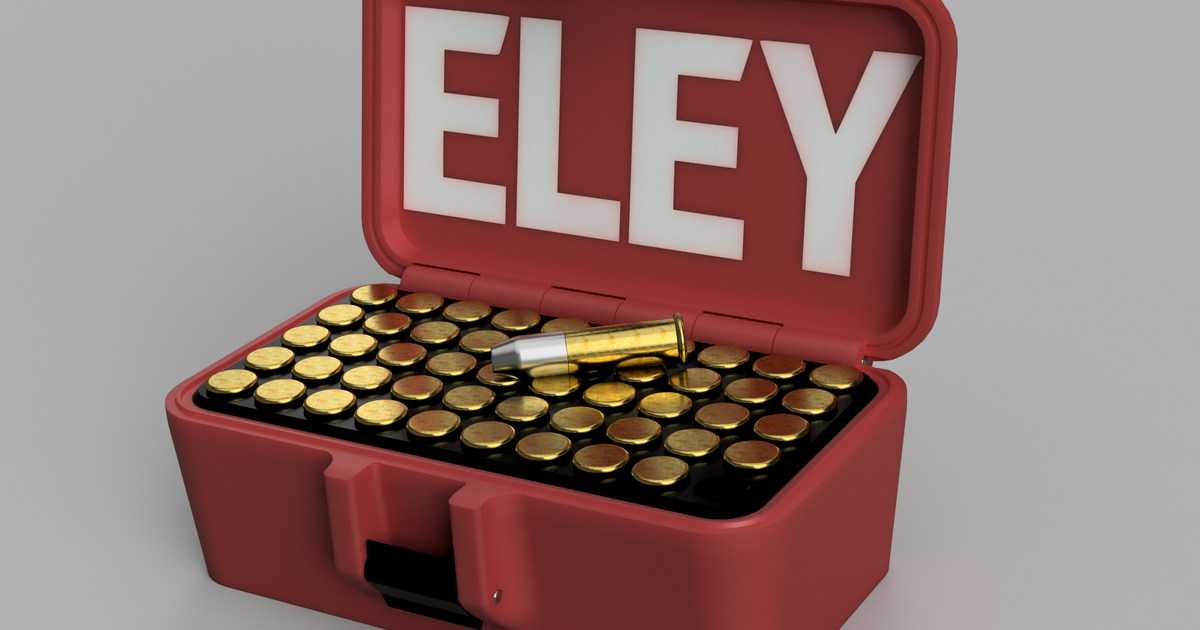
For semi-auto pistols, hunt down bulk 9mm FMJ flat-nose loads—they feed reliably and cost less than defensive hollow points, so stock up on 124-grain practice boxes. Revolvers are more forgiving; grab .38 Special 148-grain wadcutters or .357 Magnum light-loaded 125-grain rounds, which cut recoil and extend brass life without demanding perfect cycling. Rifles shine with .223/5.56 55-grain M193 surplus or steel-cased 7.62×39—both cycle gas systems flawlessly while saving cash per trigger pull. Never assume cheaper ammo means dirtier; some bargain lines use cleaner propellants than premium brands. Q: **Can I shoot budget reloads in all three platforms safely?** A: Yes, but check headspace and case condition—revolvers tolerate mixed brass better than picky semi-autos, so reserve 9.3x62mm Mauser Ammo for Sale unknown reloads for wheelguns.
When Cheap Ammo Causes Cycling Issues—and How to Fix the Gun, Not the Box
When budget ammunition causes failures to eject or sluggish slide cycles, the issue is often light primer strikes or weak powder charges, not the box’s price tag. Before blaming the rounds, inspect your recoil spring: a worn or too-heavy spring will struggle with lower-pressure loads. Replace it with a standard-weight spring, or clean and lubricate the feed ramp and extractor—carbon buildup mimics weak ammo. If short-stroking persists, test a magazine with known-good rounds to isolate follower friction. Fixing the gun, not the box means tuning springs and smoothing rails, then reverifying with the cheap lot. Q: Should I switch ammo brands instead of modifying the gun? A: Only if the gun functions flawlessly with premium loads; otherwise, address mechanical drag first, since most budget failures stem from maintenance, not manufacturing.
Maximizing Your Shooting Budget With Smart Bulk Buying Habits
Stretching your shooting budget starts with understanding that discount ammo often becomes truly affordable only in bulk, where per-round savings can hit double digits. Commit to a consistent calibers you actually shoot monthly, then watch for case-quantity deals on discount ammo—buying 500 or 1,000 rounds at once slashes shipping costs and locks in a low price before panic-driven spikes. Rotate your stock religiously, shooting the oldest boxes first to avoid moisture degradation, and resist the urge to hoard obscure calibers just because they’re cheap, since a safe full of unusable rounds is a poor investment. Split a bulk order with a trusted shooting partner to share the upfront hit, but never skip checking the ammo’s manufacturing date or primer type—a bargain that Ammunition for Sale fails to feed your firearm is no bargain at all. Ultimately, smart bulk buying turns occasional splurges into a predictable, low-cost practice rhythm.
Calculating True Cost Per Round: Shipping, Tax, and Crate Size
The advertised price per box is rarely the number that hits your card, so calculating true cost per round demands you fold in every variable. Start by dividing the total order value—including shipping fees and applicable sales tax—by the total round count, not just the sticker price. Crate size matters because bulk packaging often shifts the per-unit economics: a 500-round case may trigger free shipping thresholds that a 100-round box won’t, while heavier crates can spike freight charges. Compare quotes across vendors using a per-round figure inclusive of these costs. True cost per round must include shipping, tax, and crate size to avoid overpaying for apparent discounts. A per-round basis calculation isolates the real bargain.
Q: Does buying a larger crate always lower the true cost per round?
A: Not automatically—shipping weight and dimensional surcharges can offset savings. Always plug the full crate weight and tax rate into your formula before committing.
How to Rotate Stock So Old Discount Boxes Don’t Become Unreliable
To keep discount ammo reliable, adopt a strict first-in, first-out rotation. When a new bulk case arrives, place it behind older boxes so the oldest cartridges are always used first. Write the purchase date on each box with a permanent marker; this prevents guessing which batch is aging. Aim to shoot through your oldest stock quarterly, even if it means mixing old and new boxes at the range. Store rotated boxes in a cool, dry place, and always inspect primers and case necks before loading—old discount ammo can develop corrosion or weak crimps. If you notice misfires, pull that box immediately and use it for practice drills only.
First-in, first-out
is the core habit. For quick reference, track your stock with a simple

6mm Remington Ammo for Sale
log: unopened cases, opened boxes, and those past 12 months. Replace any box showing rust, dented cases, or loose bullets.
Storage Tricks That Preserve Cheap Ammo Performance for Years
Even discount ammo performs flawlessly for years if you master a few storage tricks. First, seal bulk purchases inside heavy-duty, airtight ammo cans with a desiccant pack to eliminate humidity—the primary enemy of cheap primers. Second, avoid storing rounds in direct contact with wooden surfaces or concrete floors, which wick moisture upward; elevate cans on a shelf or rubber mat. Third, rotate your stock by shooting the oldest lot first, ensuring no cartridge languishes long enough to corrode. For ultra-long-term stashes, vacuum-sealing individual factory bricks adds a near-impenetrable barrier against oxidation. A simple annual inspection of your cans, checking for rust or green patina, catches problems before they spread. Bulk ammo storage longevity ultimately comes down to controlling temperature swings—keep everything in a cool, stable closet, not a hot garage, and your budget rounds will hit like premium loads.
Common Questions About Cheap Rounds, Answered Straight
Cheap rounds often raise the question of reliability, but discount ammo from reputable brands uses the same manufacturing standards as premium lines. A common concern is whether budget ammunition causes excessive fouling; while powder blends may vary, most modern cheap rounds are loaded clean enough for routine range sessions. Another frequent query is accuracy—bulk ammo typically delivers acceptable groups at practical distances, though match-grade precision is not guaranteed. Shooters also ask about storage longevity; sealed primers and lacquered casings in discount ammo resist moisture well, making them safe for years of shelf life. Recoil differences are negligible compared to standard loads, so practice with cheap rounds translates effectively. Finally, cycling issues in semi-autos are rare with steel-case variants, but checking your firearm’s extractor tension before bulk buying is wise. Stick to well-known discount manufacturers, and you’ll get functional, dependable rounds every time.
Is Discounted Ammo Ever Remanufactured or Reloaded—and Should I Care?
Yes, discounted ammo can occasionally be remanufactured or reloaded, though most budget factory loads are virgin. Remanufactured rounds use once-fired brass that’s fully inspected and reprocessed, while reloads 9mm Ammo for Sale are often assembled with less rigorous sorting. Should you care? Only if the price gap is extreme—remanufactured ammunition from reputable brands is generally safe, but unknown reloads risk inconsistent powder charges. For your firearm’s longevity, verify the box states “remanufactured” and check brand reputation; if unmarked, assume factory new. Your gun won’t blow up from a reputable reman, but a dubious reload could cause cycling issues or pressure spikes. When buying discounted, follow this logic:
- Check for explicit remanufacturer labeling.
- Test a small batch for function.
- Inspect spent brass for cracks or bulges.
- Track any misfires before bulk purchasing.
How Much More Recoil or Dirt Do Low-Cost Loads Actually Produce?
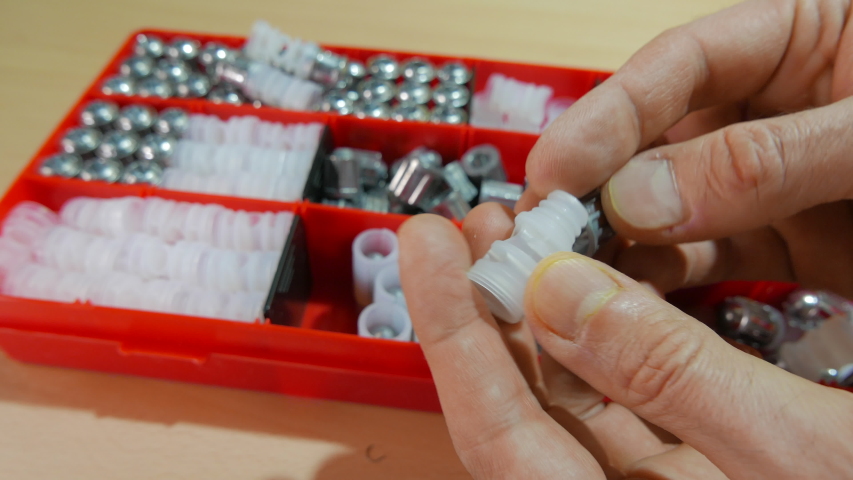
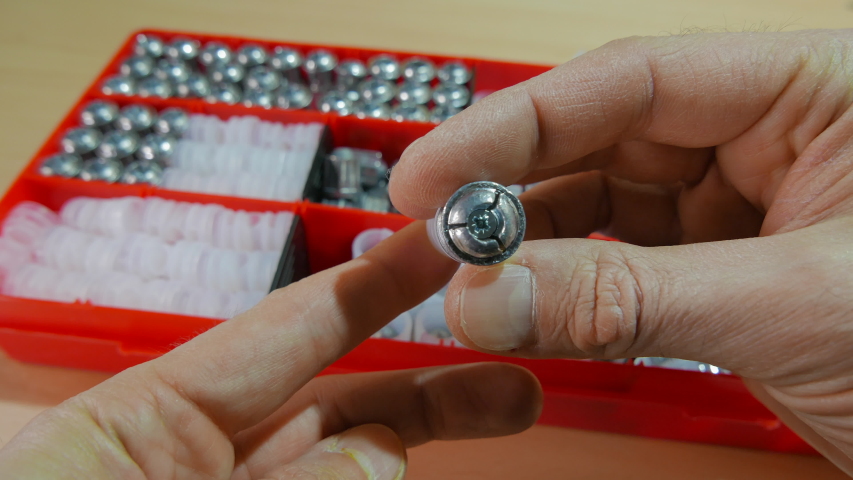
The difference in recoil between discount ammunition and premium loads is often overstated; in standard calibers like 9mm or .223, cheap rounds typically produce only marginally less felt recoil because their powder charges are conservative, not weak. The real, noticeable gap lies in **dirt and fouling from budget propellant**, where low-cost loads burn dirtier, leaving carbon and residue that builds up faster inside your action. This grime can slow bolt carriers or cause sticky extraction after a few hundred rounds, directly impacting reliability. However, recoil itself stays manageable—it’s the cleaning burden that increases, not the kick, so don’t expect a harsh push from budget ammo, just more maintenance.
Low-cost loads do not meaningfully increase recoil, but they do produce significantly more fouling and residue, demanding extra cleaning without harshening your shooting experience.
Can I Use Budget Hollow Points for Self-Defense After Saving Money?
Yes, you can use budget hollow points for self-defense after saving money, but only after rigorous function testing. Reliability with budget hollow points is your primary concern, as cheaper rounds may have inconsistent feed ramps or primer seating. Run at least 7mm Rem Ultra Mag Ammo for Sale 200 rounds of your exact carry lot through your firearm to verify zero failures. Also, confirm the bullet expands reliably at your barrel’s velocity—some budget hollow points under-expand from shorter barrels. If they cycle and expand consistently, they are viable. Saving money here is fine, but only if performance matches duty-grade ammo.
Q: Can I use budget hollow points for self-defense after saving money?
A: Yes, if they pass your gun’s reliability test and show acceptable expansion—otherwise, stick with premium defensive loads.
